


5 trends that had brands in a chokehold in 2025
share on
From whimsical AI avatars to plushie-powered brand love, 2025 proved that the fight for attention online has never been fiercer. As feeds grew more crowded and audiences more scroll-happy, brands turned to bold formats, nostalgic cues and playful provocation just to stay in view.
This year’s standout digital trends weren’t just about chasing virality. They revealed a deeper shift in how brands compete for relevance, tapping into visual novelty, emotional connection and, increasingly, the inner child.
Whether it was turning yourself into an AI doll, reframing “apologies” as parody, or soft-launching loyalty through plushies, the online space became a full-blown playground for experimentation. Here are some of the top trends that had 2025 in a chokehold.
Don't miss: Why IKEA is killing it despite being a decade late to the Harlem Shake
The AI doll takeover

If 2024 was about AI headshots, 2025 turned everyone into collectables. This time, users are digitalising their identities into AI dolls. The process is simple: upload a photo into an AI platform such as ChatGPT, add a few prompts about style and personality, and out pops a glossy, toy-like version of yourself, complete with accessories.
Brands were quick to join the fun. Prudential Singapore rolled out AI dolls of its financial representatives, Toast Box Singapore turned its “kopi master” into a digital figurine, and Grab Malaysia unveiled an AI version of one of its riders.
But beneath the novelty sits a growing unease. As brands race to replicate themselves in AI form, questions around brand control, misrepresentation and intellectual property are getting louder. When anyone can generate a brand “persona”, the line between play and risk starts to blur.
Read more here.
Brands discover apology bait

It looks like a crisis. A clean graphic. A sombre caption. A carefully worded apology. Except the brand isn’t sorry for a data breach, a tone-deaf ad or a product failure. It’s apologising for being “too addictive”, “too delicious”, or “too hard to resist”.
The “fake apology” post has swept across social feeds in recent months, hijacking the visual language of reputational fallout to spark engagement. It feels dramatic, familiar and instantly clickable and that is exactly why it works.
In conversation with MARKETING-INTERACTIVE, agency leaders said the format works best for brands with playful personalities, strong communities and culturally expressive voices such as lifestyle, beauty and youth-led brands. Those in trust-heavy categories such as public services, utilities, government agencies and statutory boards, however, have been urged to tread carefully. When the stakes are real, parody can land very differently.
Read more here.
The great Ghiblification
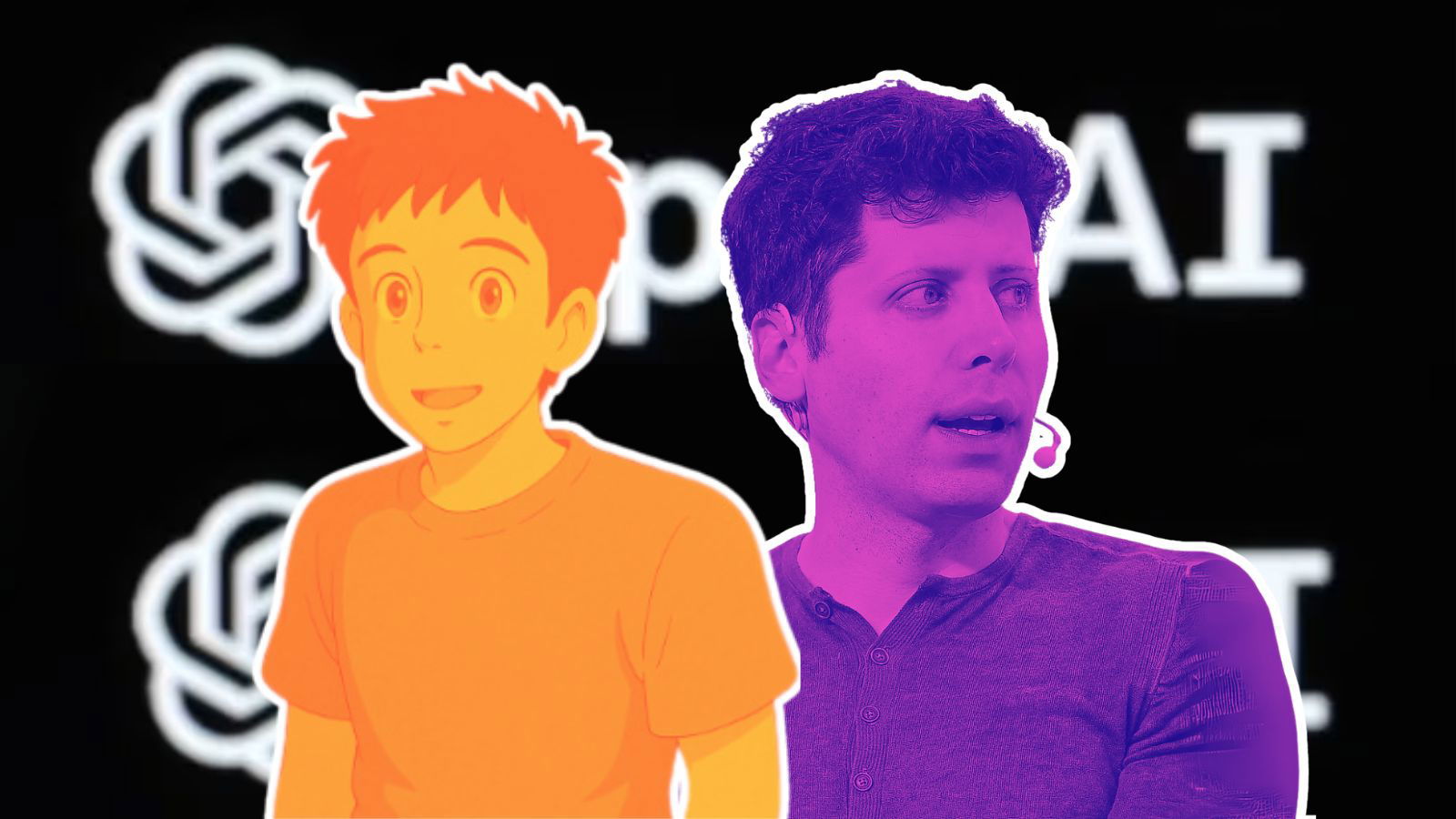
Soft skies. Wide eyes. Dreamy colours. The “Ghiblification” trend saw users turn themselves, their pets and even cityscapes into characters straight out of a Studio Ghibli film, powered by ChatGPT’s growing image-generation capabilities.
Fuelled by AI’s shift from text-based to image-based learning, the trend spread rapidly across social feeds, driven by nostalgia and visual escapism. It was whimsical, comforting and inherently shareable - three ingredients tailor-made for virality.
Yet as adoption surged, so did the quiet questions. What exactly happens to the personal images users upload? As faces become training data, concerns around biometric privacy, image ownership and long-term use are becoming harder to ignore beneath the pastel aesthetics.
Read more here.
Marketing, but make it huggable

Once upon a time, plushies were prizes you won at the pasar malam ('night market'). In 2025, they became brand strategy.
Limited-edition plushies are no longer just cute freebies, they are fast becoming emotional assets. Food brands such as Pizza Hut Singapore, alongside beverage players such as Milo Singapore and Boost Malaysia, rolled out plushie campaigns that transcended the typical promotional gimmick.
Industry players said this reflects a wider shift away from transactional marketing. Instead of a one-and-done purchase, brands are now chasing connection, collectability and community. Plushies have become conversation starters, cultural touchpoints and, for some consumers, physical expressions of brand love. In a digital-first world, these soft toys delivered something surprisingly powerful: something to hold onto.
Read more here.
The ultra-thin reel

Thin is in. Instagram’s latest visual obsession, the “skinny reel”, has taken over feeds with its ultra-wide, cinematic format. Also known as the 5120 x 1080 trend, the format slices off the top and bottom of standard vertical footage, leaving behind a long, narrow strip that stretches across the screen.
The effect is instantly disruptive in a sea of upright reels. Creators are using it to refresh old content or heighten aesthetics, while brands have jumped on its novelty factor.
The format thrives on curiosity and the unusual crop makes users pause, decode and, most importantly, stop scrolling - a rare win in today’s attention economy.
Read more here.
Related articles:
Lessons from Lady Gaga: Why trendjacking without rights hits a bad note
China's micro-drama industry booms: How brands can script their own success
Nostalgia is not enough: How brands can get the rising trend right
share on

Free newsletter
Get the daily lowdown on Asia's top marketing stories.
We break down the big and messy topics of the day so you're updated on the most important developments in Asia's marketing development – for free.
subscribe now open in new window